Running a successful online store in 2026 requires more than just attractive products and a functional website. Customers today expect personalized shopping experiences, fast checkouts, smooth mobile usage and instant support. This is where Salesforce comes in as one of the most advanced ecommerce solutions on the market today.
Businesses around the world use Salesforce Commerce Cloud to streamline operations, improve customer engagement, and increase conversions. With AI-powered tools, automation features, and seamless integrations, the platform helps businesses stay competitive in the rapidly changing digital market.
In this blog, we'll go over the top features of Salesforce Commerce Cloud that make the platform a popular choice for modern online stores.
1. AI-powered personalization
One of the strongest features of Salesforce is its ability to deliver personalized shopping experiences. Today's customers want brands to understand their preferences and shopping habits.
- Recommend products based on previous browsing history
- View personalized offers
- Create tailored customer journeys
- Improve product discovery
This level of personalization increases customer satisfaction and significantly improves conversion rates.
2. Seamless omnichannel experience
Modern customers interact with brands through multiple channels, including websites, mobile apps, social media, and brick-and-mortar stores. Managing these touchpoints separately can create inconsistent customer experiences.
- Synchronize layers across channels
- Centrally manage customer data
- Deliver a consistent shopping experience
- Offer online purchases and in-store pickup
This creates a smooth journey for customers no matter where they shop.
3. Mobile-optimized shopping
Mobile commerce continues to dominate e-commerce trends. A slow or poorly designed mobile store can lead to abandoned carts and lost sales.
- Faster loading times
- Responsive design
- Easy navigation
- Seamless checkout experiences
A mobile-first strategy helps businesses reach a larger audience and improve customer loyalty.
4. Advanced analytics and reporting
Data plays a crucial role in the success of e-commerce. Understanding customer behaviors helps businesses make smarter business decisions.
- Track customer journeys
- Analyze buying patterns
- Monitor sales performance
- Measuring the effectiveness of marketing
These insights help store owners optimize campaigns, improve product offerings, and maximize profitability.
5. Easy integration with other tools
Online stores often use multiple platforms for payments, shipping, marketing, and customer support. Integration problems can slow down operations and create inefficiencies.
A major advantage of Salesforce is its flexibility and compatibility with third-party tools. Businesses can easily integrate:
- Payment solutions
- CRM systems
- Marketing automation tools
- Shipping providers
- Inventory management software
This creates a centralized ecosystem that simplifies store management.
6. Powerful Marketing Automation
Marketing automation has become crucial for scaling up online stores. Manually managing campaigns requires both time and resources.
- Send personalized email campaigns
- Recycle abandoned shopping carts
- Create automated customer journeys
- Segment audiences effectively
Automation improves efficiency while increasing customer engagement.
7. Scalable infrastructure for growing brands
As online stores grow, they need platforms that can handle increased traffic and more transactions without performance issues.
- High website performance
- Reliable uptime
- Secure transactions
- Seamless customer experiences
This makes the solution suitable for both startups and larger companies.
8. Improved security and trust
Cybersecurity is a major priority for both businesses and customers in e-commerce. Protecting customer data is critical to building trust and complying with regulations and standards.
- Secure payment processing
- Data encryption
- Fraud protection
- Compliance with global security standards
These features help businesses strengthen customer trust and reduce security risks.
9. Faster store management with automation
Manually managing products, prices, promotions, and inventory can become overwhelming for growing e-commerce businesses.
- Update product catalogs quickly
- Manage campaigns efficiently
- Automate inventory updates
- Simplify order management
This saves time and allows teams to focus on growth strategies instead of repetitive tasks.
10. Better customer support experience
Customer service directly impacts a brand's reputation and repeat purchases. Today's customers expect fast and efficient support.
- AI-driven chat support
- Faster problem resolution
- Centralized customer information
- Personalized customer interactions
An improved support experience increases customer loyalty and satisfaction.
Why Businesses Choose Salesforce Commerce Cloud
The e-commerce industry is becoming more competitive every year. Businesses need platforms that combine flexibility, automation, personalization, and scalability.
That's why many brands rely on Salesforce Commerce Cloud to manage their digital stores. Its advanced AI features, seamless integrations, and omnichannel tools make the platform one of the most powerful e-commerce solutions today.
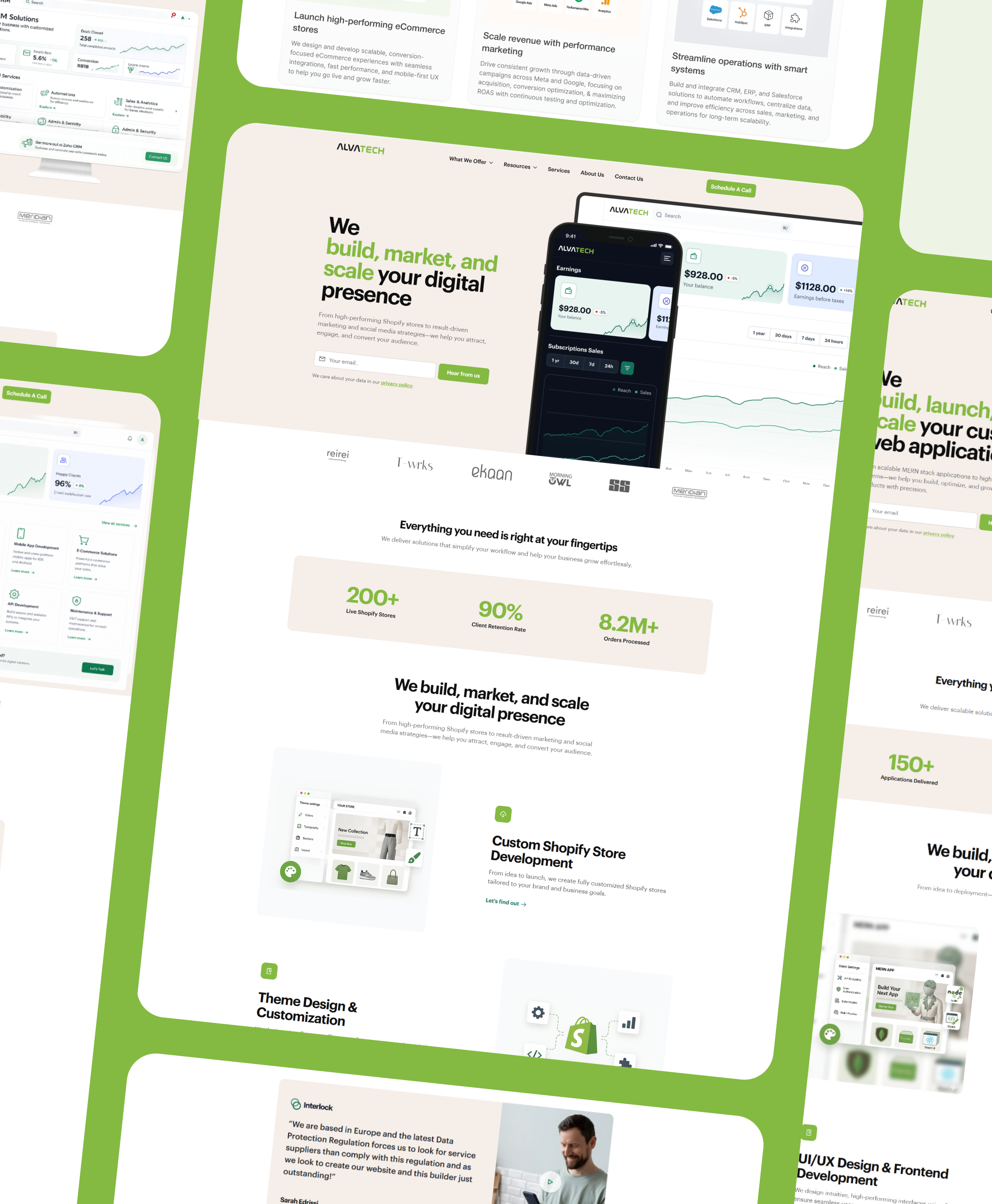
For businesses looking to implement or optimize their e-commerce strategy, partnering with experienced technology partners can make a big difference. Companies like Alva Tech help businesses use modern digital solutions and maximize the potential of platforms like Salesforce for long-term growth.
Conclusion
The future of e-commerce is all about delivering fast, personalized, and seamless customer experiences. Companies that invest in advanced digital commerce solutions have a better chance of staying ahead of the competitive online market.
From AI-powered personalization to automation and omnichannel management, Salesforce offers everything modern online stores need to grow successfully. With the powerful capabilities of Salesforce Commerce Cloud, businesses can improve customer engagement, streamline operations, and increase sales in 2026 and beyond.